
How Water Heater Age Impacts Heating Consistency And Utility Costs
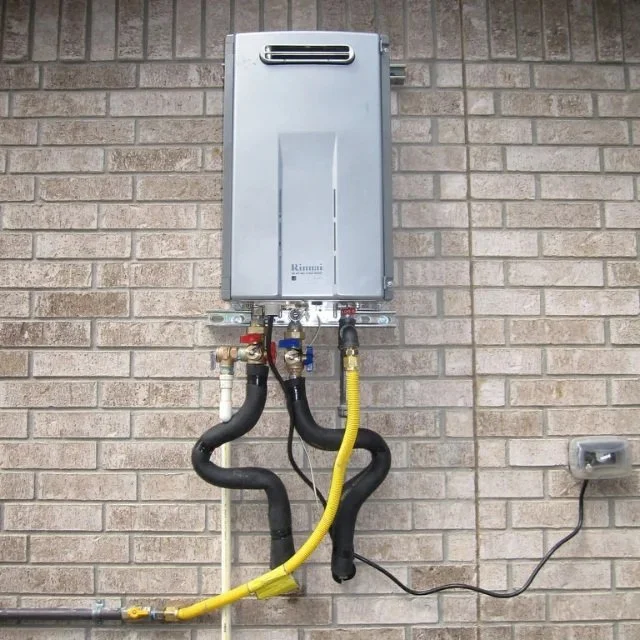
Showers go from spa-like to surprise ice baths, and utility bills start inching toward suspicious territory.
Old Age, Cold Showers
Water heaters, both gas and electric, tend to fly under the radar—until the moment they betray you mid-shampoo. When they're fresh, they hum along quietly, delivering toasty water without a second thought. But as years pass, that dependability starts to slip. Showers go from spa-like to surprise ice baths, and utility bills start inching toward suspicious territory. Age might bring wisdom, but in the case of water heaters, it mostly brings trouble.
Gas and electric water heaters usually have a lifespan of eight to twelve years. Around the decade mark, things start to get dicey. Internal components corrode, sediment builds up, and performance takes a nosedive. Heating consistency falters. Your hot water might start hot and finish tepid, or worse—refuse to heat up at all. That friendly little tank in the closet is throwing in the towel.
Why Heating Inconsistency Happens
Over time, sediment builds up in every tank. Minerals from the water settle at the bottom, forming a layer that acts like a blanket—only it's wrapped around the heating elements. That buildup forces the system to work harder to do the same job. For electric models, this coats the heating rods. In gas units, it sits right where the burner flame should heat the water. Either way, hot water takes longer to arrive and may never reach its original temperature.
You might also notice the hot water runs out faster. The tank hasn't shrunk, but the usable capacity has. Sediment takes up space and throws off the balance. Heating cycles become shorter and more frequent. It's not just the water temperature that suffers—your patience takes a hit too.
As the tank struggles, so do the parts around it. Valves get sticky, thermostats lose calibration, and pressure relief components wear out. The end result? A water heater that behaves more like a moody roommate than a reliable appliance.
The Quiet Climb Of Utility Costs
That older heater doesn't just waste time—it wastes money. Gas and electric water heaters both slip into inefficient territory with age. They run longer, cycle more often, and draw more energy just to keep up. You might not notice the jump right away, but it's there—hidden inside your monthly bills.
Electric water heaters tend to spike your electricity usage, especially when sediment buildup forces longer heat cycles. Gas models, on the other hand, may burn longer than necessary because the flame can't reach the water efficiently. In both cases, performance declines while operating costs climb.
What once heated water quickly now takes its sweet time. That time costs energy. And that energy shows up in the form of dollar signs. If the unit's insulation has broken down or the thermostat drifts off target, energy waste increases further. Aging water heaters don't care how much you're paying—they only care about surviving another day.
Comfort Becomes A Gamble
Morning showers shouldn't be a test of bravery, but with an aging water heater, every twist of the faucet becomes a gamble. Will it be warm? Will it last? Will it sound like a haunted kettle?
Even small temperature inconsistencies can be frustrating. Dips and surges make it hard to shower comfortably or wash dishes effectively. Some days, the water takes forever to warm up. Other days, it gives up halfway through. It's not your imagination—it's the heater's declining ability to regulate and maintain a consistent temperature.
As things wear down, the risk of full failure increases. Leaks, pilot light problems, faulty heating elements, and failed pressure relief valves all become more common in older systems. What started as a minor annoyance could quickly become an expensive emergency call.
Why Age Matters When Choosing Repair Or Replacement
Some homeowners try to nurse a failing water heater along with part replacements or routine flushing. That might buy some time, but it's often a short-term fix. By year ten or twelve, most repairs are band-aids on a tank that's already limping toward retirement.
A newer model—especially one that's energy-efficient and properly sized—can save you money in the long run. Modern gas and electric water heaters heat faster, retain temperature better, and use less energy. Some are designed to resist sediment buildup and offer smarter temperature controls. Compared to their decade-old counterparts, they're like switching from a flip phone to a smartphone.
Spotting The Telltale Signs
If you're not sure how old the unit is, check the serial number on the manufacturer's label. Most codes start with a date reference. You can also watch for symptoms such as rusty water, popping sounds, inconsistent heating, rising energy bills, or small leaks. These are all red flags that point to age catching up with the system.
When comfort starts to vanish, and costs creep higher, the water heater might be quietly hinting that it's time for a replacement. It's not trying to ruin your day—it's just tired. And frankly, it's had a good run.
Closing Thoughts Without The Cold Feet
Water heaters don't last forever, and age has a funny way of turning a reliable unit into a grumpy old tank. Gas or electric, every system eventually slows down, struggles to keep up, and starts costing more than it's worth. Keeping an eye on your heater's age can save you from costly repairs, inconsistent hot water, and surprise showers that feel more like a polar plunge.
Treat your comfort and your wallet kindly—don't let an aging water heater boss you around. When the time comes, retiring the old tank for a fresh, energy-efficient upgrade can be one of the smartest moves a homeowner makes.
MNS Plumbing offers a complete, one-stop solution for professional water heater and gas line services in Anthem and Valley-Wide, including gas water heaters, electric water heaters, and gas line installation and repair. Our licensed and friendly team services residential plumbing systems with a focus on safety, reliable performance, and long-term efficiency. Whether you need water heater repairs or a full gas line installation, we provide trusted workmanship and dependable service. Schedule your plumbing service today and get safe, efficient solutions you can rely on.
